Том 57 № 3 (2021): Вестник Тверского государственного университета. Серия: Философия
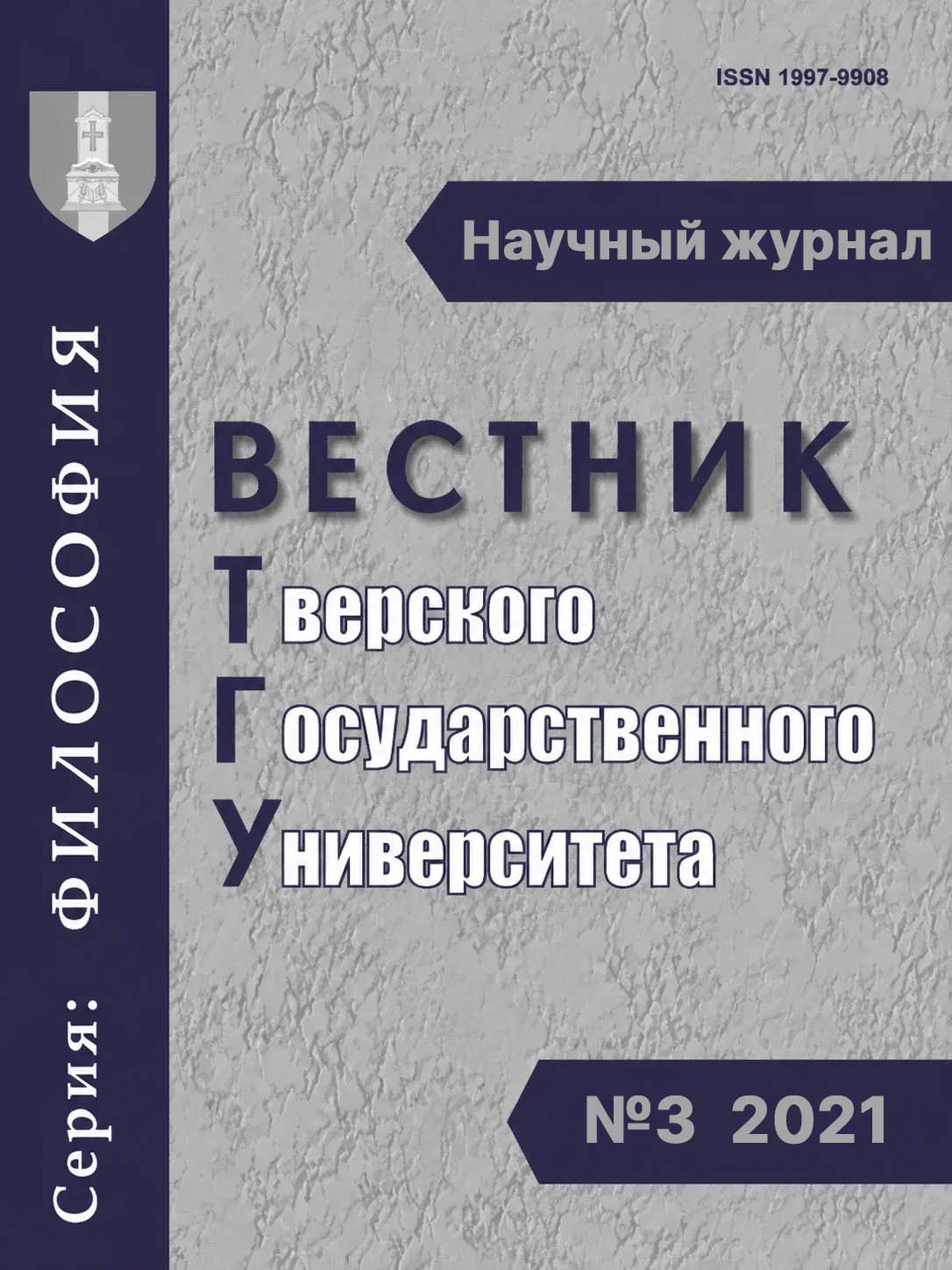
В номере № 3 (57) 2021 г. публикуются статьи исследователей, посвященные философскому анализу концепта духоматерии и коэволюции, перспективам взаимодействия синергетики и фрактальной геометрии, а также различным аспектированиям цифровизации, идентичности и историко-философского опыта.
В разделе «Человек. Наука. Культура» рассматриваются диалектическое единство материального и духовного начал в рамках всеобщей космической субстанции мироздания, методологическая общность синергетического подхода и фрактальной геометрии при описании динамических систем, идейная детерминация политико-правовых институциональных трансформаций в контексте мирового развития, биологические и антропологические детерминанты экономического бытия человека, а также влияние цифрового образования на эмоциональный мир обучающихся. Авторы анализируют технологическую схематизацию потребительских проектов, философские основы цифровой гигиены жизни, тайну в условиях цифровизации, интернет-пространство как поле политической коммуникации, отношения России и Китая сквозь призму китайской военной философии, а также социальную активность молодежи как фактор функционирования социума (статьи Н.А. Некрасовой, С.И. Некрасова, Д.В. Ракова, Т.Г. Стоцкой, Н.Н. Равочкина, М.С. Мирошкина, С.А. Храпова, Р.О. Исаева, В.В. Буланова, Г.В. Комарова, И.В. Бутузовой, Т.А. Кружковой, В.А. Кардашова, Т.И. Литвиновой).
Раздел «Проблемы русской философии» сфокусирован на эволюции взглядов А.П. Щапова от религиозного раскола к расколу социальному, онтологических концептах «механизма» и «организма» в наследии С.Л. Франка, международных стажировках Н.И. Кареева как форме научного диалога, а также на роли агиографии в религиозно-философских построениях Г.П. Федотова (статьи Н.О. Архангельской, Я.В. Бондаревой, В.А. Куприянова, Е.Е. Михайловой, С.П. Бельчевичена, В.Б. Рыбачука, И.А. Казанцевой).
В рубрике «Западная философия и современный мир» анализируются динамика представлений о варварстве в античной и средневековой мысли, интерпретации исторического опыта в трудах А.Д. Тойнби и Р.Дж. Коллингвуда, трансцендентный источник открытости исторического опыта у К. Ясперса, концепт свободы в интеллектуальной истории И. Берлина, неинтенциональные компоненты феноменологии, а также эволюция человека в антропологической системе Пьера Тейяра де Шардена (статьи С.И. Сулимова, К.В. Ануфриевой, Б.Л. Губмана, А.А. Аванесяна, В.П. Потамской, И.А. Авдеева, И.И. Волкова).