Архивы
-
Вестник Тверского государственного университета. Серия: Философия
Том 75 № 1 (2026)В 1-м номере журнала за 2026 год публикуются статьи исследователей по теоретической и исторической философии, эпистемологии, зарубежной и отечественной мысли, а также рецензия.
В разделе «Человек. Наука. Культура» С.А. Лебедев раскрывает содержание конструктивистской эпистемологии. Исследование В.В. Ильина, И.В. Ильина и К.В. Ильина посвящено гносеологической экспликации религиозного опыта. В статье Ю.В. Буртовой, А.И. Рагойши и А.А. Шестакова анализируется феномен незнания как стратегического ресурса власти. Н.П. Суханова рассматривает методологию трансляции знания через нейросети. Статья В.А. Мукина и Е.В. Бабешковой посвящена принципу ценностной нейтральности в познании. А.В. Марков и О.А. Штайн исследуют поэтику ответственного знака в постсимволистской рефлексии. В работе В.В. Буланова и Е.Г. Токарчук рассматриваются проблемы самоотчуждения. С.А. Храпов и А.Г. Мартынов анализируют подходы к исследованию идентичности. В статье С.А. Храпова и О.Б. Скородумовой характеризуется культурная безопасность в условиях цифровизации. Я.В. Бондарева и А.Н. Мамедова показывают трансформацию феномена лидерства. В статье Н.Н. Козловой и С.В. Рассадина оценивается эвристический потенциал цивилизационного подхода. А.А. Ковалев дает философско-антропологический анализ антропологической безопасности. О.В. Джавад исследует понятийное поле культуры безопасности. В статье В.Ю. Лебедева и Л.В. Удаловой рассматривается атрофия мышления в цифровом обществе. Исследование Н.В. Зайцевой, В.Б. Малышева и И.С. Панина посвящено ценностям коллективного труда в кинематографе «Оттепели».
В разделе «Проблемы русской философии» в статье Д.М. Крайнова, Т.Г. Стоцкой и В.Т. Фаритова исследуется проблема кризиса цивилизации в творчестве Г.П. Федотова. М.Г. Андреанов анализирует взгляды Н.А. Бердяева на идею сверхчеловека Ф. Ницше. К.В. Ануфриева и М.К. Зверев характеризуют ценностные основания взаимодействия человека и государства в трудах С.Л. Франка и Н.А. Бердяева. И.А. Фролова рассматривает проблему будущего России в творчестве И. Ильина. Статья Е.Е. Михайловой посвящена смысловой значимости славянофильства в оценке В.О. Ключевского. Н.Ю. Гурьянов и А.В. Гурьянова анализируют проблему «Россия и Европа» сквозь призму идей Н.Я. Данилевского, П.Я. Чаадаева и И. Ильина. В статье А.В. Гурьяновой и А.В. Тимофеева показано духовно-нравственное обоснование патриотизма в отечественной мысли XIX–XX вв.
В разделе «Зарубежная философия: традиция и современность» Н.В. Федорова прослеживает размывание границ нормы в философии М. Фуко. Статья Е.Е. Дегтерева и А.Г. Арутюнова посвящена наследию В.И. Ленина и концепции учредительной власти А. Негри. И.А. Евдокимов анализирует понятие времени в философии А. Негри. В статье В.П. Потамской исследуется примитивизм и эволюционизм в мысли Ж.-Ж. Руссо. Д.А. Щерба представляет критику традиционализма ал-Афгани.
В разделе «Рецензии» опубликована рецензия В.Э. Войцеховича на монографию Н.В. Гоноцкой и Г.Г. Малинецкого «Философские этюды: от истории искусства к науке будущего».
-
Вестник Тверского государственного университета. Серия: Философия
Том 74 № 4 (2025)В номере № 4 (74) 2025 г. публикуются статьи исследователей, посвященные философскому анализу каркаса бытия, природы творчества, демаркации научного знания, а также различным аспектам идентичности, новой обрядности и историко-философского наследия.
В разделе «Человек. Наука. Культура» рассматриваются квазиравновесный каркас бытия и его пределы, модель продуктивных расширяющих синтезов в природе творчества, системный подход к демаркации научного знания, а также квалитативный подход к целостности знания. Авторы анализируют проблемы сохранения и улучшения телесности, психологическую безопасность личности, линии анализа этнического сознания, внешнеполитические факторы трансформации ценностей молодежи, меценатство в гражданском обществе, гуманистическую парадигму университетского образования и роль классической традиции. В поле зрения исследователей находятся консолидация российского общества, противодействие духовно-нравственным угрозам, межцивилизационный диалог в наследии Порфирия Успенского, семиотика советской свадьбы, а также потустороннее и иррациональное в довоенном кино (статьи Н.Н. Кожевникова, В.В. Ильина, О.П. Сапегиной, Т.В. Шафигуллиной, Т.Е. Чернышевой, Я.В. Яловенко, С.А. Лебедева, Н.Ю. Саакян, А.В. Довженко, Е.В. Алёхиной, С.В. Буренкова, Н.Н. Каргина, Н.В. Михалкина, В.П. Майковой, В.В. Михайлова, С.В. Михайлова, С.А. Храпова, О.А. Майковой, М.Ф. Фридмана, В.П. Беркута, А.Б. Бакурадзе, О.И. Гаврилиной, В.Ю. Даренского, Ю.Д. Каряпкиной, Д.Т. Дзгоевой, А.А. Ковалева, Н.Б. Бааль, Г.А. Ивакина, В.Ю. Лебедева, А.М. Прилуцкого, И.С. Панина, Н.В. Зайцевой, В.Б. Малышева).
Раздел «Проблемы русской философии» посвящен становлению отечественной философско-логической традиции в духовных учебных заведениях XVI–XVIII веков, рецепции ренессансной традиции Торквато Тассо в русской поэзии, художественной культуре в рефлексии К.Д. Кавелина и В.В. Розанова, философии культуры Г.П. Федотова, а также старой новизне постмодерна (статьи В.А. Иноземцева, В.Ю. Ивлева, М.Л. Ивлевой, А.А. Гусевой, Е.Е. Михайловой, М.Г. Андреанова, И.О. Масленникова).
В рубрике «Зарубежная философия: традиция и современность» анализируются анонимный «Трактат о Евхаристии» в контексте книжной культуры позднего Средневековья, диалектика вызова и ответа в концепции генезиса цивилизаций А.Дж. Тойнби, ницшеанские мотивы цивилизационного подхода при переосмыслении истории, а также теория природы человека в американской конституции в истории идей А. Лавджоя (статьи А.В. Симоняна, Д.М. Крайнова, В.О. Шелекета, Ю.В. Буртовой, В.Т. Фаритова, Т.В. Борисовой, Т.Г. Стоцкой, В.П. Потамской).
-
Вестник Тверского государственного университета. Серия: Философия
Том 73 № 3 (2025)В номере № 3 (73) 2025 г. публикуются статьи исследователей, посвященные философскому анализу конкуренции цивилизационных моделей, феномена постправды, когнитивных войн, а также актуальным вопросам идентичности, евразийства и историко-философского наследия.
В разделе «Человек. Наука. Культура» рассматриваются проблемы становления универсальной цивилизации, археология творчества в контексте потенциала ноэзиса, феномен постправды как эпистемологический вызов современному обществу, когнитивная война как цивилизационная катастрофа, социальная эволюция внешней миграции в России на рубеже XX–XXI веков, эволюция механизма развития физической культуры в системе образования, история отношения к людям с ограниченными возможностями в Европе, а также теоретические модели капиталистической экономики. Авторы анализируют особенности духовного становления индивида, мировоззренческие и организационные аспекты самоменеджмента, трансформацию познавательных процессов под влиянием цифровизации и когнитивистики (статьи Ю.Д. Гранина, В.В. Ильина, К.В. Ильина, Т.В. Борисовой, Т.Г. Стоцкой, А.А. Шестакова, А.А. Ковалева, Д.Т. Дзгоевой, Ю.А. Чернавина, Д.В. Станкевича, А.Б. Бакурадзе, А.Ю. Лахтина, А.А. Бурцевой, Р.Н. Пархоменко, В.В. Татарова, Д.Д. Григорьевой, С.И. Некрасова, Р.В. Васюкова, В.Ю. Лебедева, Л.В. Удаловой).
Раздел «Проблемы русской философии» сфокусирован на ценностном измерении российской цивилизации в трудах Н.Я. Данилевского и К.Н. Леонтьева, классическом евразийстве в наследии Л.П. Карсавина и Н.С. Трубецкого, критике трансгуманизма с позиций принципа целостно-иерархической природы человека, христианском и антихристианском ренессансе Н. Бердяева, а также на эволюции историософского мировоззрения Д.С. Мережковского и жанре философского дневника В. Бибихина (статьи Н.В. Зайцевой, Д.М. Крайнова, В.Б. Малышева, В.В. Ванчугова, Е.В. Алёхиной, С.В. Буренкова, Н.Н. Каргина, О.И. Кусенко, М.Г. Андреанова, И.А. Казанцевой, С.П. Бельчевичена, И.И. Лысюка, Т.Н. Смирновой).
В рубрике «Зарубежная философия: традиция и современность» анализируются влияние неоконфуцианства на китайскую «эстетику жизни», государственная власть как точка сборки социального порядка в политической философии Н. Макиавелли, специфика философского метода А. Бергсона, идеи Х.-Г. Гадамера и Г.В.Ф. Гегеля в контексте исторического опыта, а также этические парадоксы долга и долговых обязательств в моральной философии (статьи Чжунцянь Тан, Н.Н. Козловой, С.В. Рассадина, Б.Л. Недяка, Б.Л. Губмана, А.А. Шестакова, А.И. Рагойша, Ю.В. Буртовой).
-
Вестник Тверского государственного университета. Серия: Философия
Том 72 № 2 (2025)В номере № 2 (72) 2025 г. публикуются статьи исследователей, посвященные философскому анализу проблемы истины и чувственного познания в науке, археологии творчества, а также ценностным противоречиям, социокультурным пространствам и историко-философскому наследию.
В разделе «Человек. Наука. Культура» рассматриваются проблема истины в науке, чувственное познание в науке и его методы, археология творчества в контексте потенциала ноэзиса, понятие целостности в контексте эволюции человека, традиция как идентичность, диалог православной и исламской культур в русском Поволжье XVI–XVII вв., Каспийский макрорегион как особое социокультурное пространство, роль классического искусства в формировании духовно развитой личности, слизь, ужас и абъекция в плоских онтологиях, ценностные противоречия современного китайского общества через призму неоконфуцианской этики, парадоксы гендерного равенства в либеральном и марксистском феминизме, а также необходимость духовно-нравственного и военно-патриотического воспитания в современной России (статьи С.А. Лебедева, А.А. Фоминой, М.А. Шевцова, В.В. Ильина, К.В. Ильина, В.Э. Войцеховича, С.Г. Выборновой, В.Ю. Лебедева, А.М. Прилуцкого, С.И. Сулимова, М.С. Топчиева, С.И. Некрасова, А.В. Маркова, О.А. Штайн, Г.В. Бариновой, Ли Цянлуна, С.Н. Климова, Чжао Цзиюэ, О.М. Боевой, Н.Б. Бааль).
Раздел «Проблемы русской философии» сфокусирован на культуре в историософии Н.А. Бердяева, понимании символа в русской философии XX века, а также на столетней эволюции структуры Института философии РАН (статьи Е.Е. Михайловой, В.Ю. Викторова, С.А. Малинина, С.Н. Корсакова).
В рубрике «Зарубежная философия: традиция и современность» анализируются гуманизм эпохи Возрождения и его влияние на современное общество, концепции души в трудах Т. Рибо и З. Фрейда, опыт и трансцендентальные основания исторического повествования в неокантианстве Баденской школы, проблема природы человека в интеллектуальной истории А. Лавджоя, генеалогия понятия религиозной коллективной памяти у М. Хальбвакса как продолжение теории Э. Дюркгейма, а также ключевые особенности и основания концепции социальной праксиологии Пьера Бурдье (статьи Р.Н. Пархоменко, И.А. Фроловой, К.В. Ануфриевой, В.П. Потамской, Е.И. Промаховой, В.В. Жданова, С.В. Козлова). В номере также опубликованы рецензии К.Р. Баянова и Е.В. Шахматовой.
-
Вестник Тверского государственного университета. Серия: Философия
Том 71 № 1 (2025)В номере № 1 (71) 2025 г. публикуются статьи исследователей, посвященные философскому осмыслению феномена победы в истории российской цивилизации, археологии и семиотике творчества, а также актуальным проблемам идентичности, целеполагания и ценностных трансформаций в цифровую эпоху.
В разделе «Человек. Наука. Культура» рассматриваются философия победы в контексте отечественной истории, археология творчества в рамках сценографии «недуг тела – взлёт духа», феномен исходной и собственной истины на примере экстремального пути Федора Конюхова, место и роль конвенций в учении о причинности и детерминизме, мировоззренческие основания консолидации российского общества, а также национальный менталитет и конституционный строй в системе обеспечения безопасности. Авторы анализируют цифровой двойник как инструмент современной власти, специфику целеполагания в цифровую эпоху, размывание границ между публичным и приватным в Интернете, влияние глобальной инфосферы на человека, онтологические последствия универсализации виртуального, трансформацию классической традиции в образовании, концепт права в трагедии «Антигона» вне психоанализа, дискуссию вокруг эвтаназии в биоэтическом дискурсе, семиотическую прагматику новой обрядности, городские легенды как элемент современной мифологии, логические основы критического мышления при работе с текстом, а также социальный профиль феномена экспертизы (статьи Ю.А. Чернавина, В.В. Ильина, С.Н. Вишневской, И.С. Писаренко, Т.В. Шафигуллиной, Я.В. Яловенко, В.Л. Курабцева, С.Н. Коськова, Ю.Д. Каряпкиной, А.А. Ковалева, М.С. Сорокопуда, В.Г. Поваляева, Т.Г. Стоцкой, А.А. Шестакова, Т.В. Борисовой, В.Б. Малышева, А.В. Почикаевой, А.В. Гурьяновой, Н.Ю. Гурьянова, А.В. Тимофеева, О.И. Гаврилиной, А.В. Дрозденко, В.В. Буланова, Р.Н. Башилова, С.М. Башиловой, В.Ю. Лебедева, А.М. Прилуцкого, П.Н. Рвалова, Р.А. Юрьева, Н.П. Сухановой, Э.З. Вердиева, Е.А. Евстифеевой).
Раздел «Проблемы русской философии» посвящен культурно-историческому контексту работы В.О. Ключевского «Евгений Онегин и его предки», а также фетишизму мелочей и существу иудаизма в полемике А. Волынского и В. Розанова (статьи Е.Е. Михайловой, О.А. Матвейчева).
В рубрике «Зарубежная философия: традиция и современность» исследуются эволюция понятия души от «psyche» к психике в трактатах Платона и Аристотеля, специфика понимания символа в философии Нового времени, концепт равенства в воззрениях И. Берлина, а также понятие учреждающей власти в неомарксистской философии Антонио Негри (статьи И.А. Фроловой, В.Ю. Викторова, С.А. Малинина, В.П. Потамской, Д.Д. Григорьевой, И.А. Евдокимова).
-
Вестник Тверского государственного университета. Серия: Философия
Том 70 № 4 (2024)В номере № 4 (70) 2024 г. публикуются статьи исследователей, посвященные философскому анализу конвенционального характера научных теорий, методам конструирования аттракторов, цифровизации, а также различным аспектам идентичности, образования и историко-философского наследия.
В разделе «Человек. Наука. Культура» рассматриваются конвенциональный характер построения общей теории относительности, методы конструирования аттрактора в равновесной социокультурной системе, философские основания двоичного исчисления и роль искусственного интеллекта, эргокультура и социотехноприродный эргоцентризм, роль национальной идентичности в обеспечении социетальной безопасности, духовно-нравственное измерение отечественного образования, многоликий характер постистории, социально-политический дискурс о примирении, семиотические фикции в культурном пространстве, природа феномена «культура человека», смерть, тело и погребальный ритуал в духовных традициях Восточного Средиземноморья сквозь призму модели Я. Ассмана, а также русская народная сказка как мировоззренческий фундамент национального менталитета (статьи С.Н. Коськова, М.В. Максимовой, Г.Г. Малинецкого, Д.Е. Бондарева, А.А. Кузьменко, М.С. Топчиева, В.В. Ильина, И.А. Кокоевой, П.Н. Родина, О.П. Сапегиной, Н.Н. Равочкина, Е.Г. Токарчук, В.Ю. Лебедева, А.М. Прилуцкого, А.Б. Бакурадзе, А.Ю. Лахтина, Е.С. Ефименко, С.И. Некрасова).
Раздел «Проблемы русской философии» сфокусирован на взглядах А.С. Хомякова о настоящем и будущем России, культурно-историческом контексте работы В.О. Ключевского «Евгений Онегин и его предки», а также на связи первого философского манифеста Н. Бердяева с мировоззрением Ф. Ницше (статьи Р.Н. Пархоменко, Е.Е. Михайловой, В.В. Буланова).
В рубрике «Зарубежная философия: традиция и современность» анализируются проблема континуума в комментариях Ричарда Руфа из Корнуэлла на «Физику» Аристотеля, исторический метанарратив как способ самосознания культуры Нового времени, языковые игровые модели Г.-Г. Гадамера и Л. Витгенштейна, а также проблемы легитимации социальных практик в интеллектуальной истории К. Скиннера (статьи А.В. Симоняна, К.В. Ануфриевой, Н.В. Медведева, Т.В. Егоровой, В.П. Потамской).
-
Вестник Тверского государственного университета. Серия: Философия
Том 69 № 3 (2024)В номере № 3 (69) 2024 г. публикуются статьи исследователей, посвященные философскому анализу стези человечности, проблемам научной рациональности, развитию техносферы, а также актуальным вопросам идентичности и медиасферы в условиях цифрового общества.
В разделе «Человек. Наука. Культура» рассматриваются нетрадиционная общественно-аксиологическая формация, проблема демаркации научного знания, техносфера как фактор эволюции социума, концептуализация политической власти, информационно-психологические угрозы суверенитету в гибридных войнах, когнитивный диссонанс в условиях информационной избыточности, техногенные вызовы идентичности, медиасфера цифрового общества, морфология цифровой аксиосферы, логика ценностного рассуждения в диспутах, semiotics игры в фундаменталистских религиозных субкультурах, эстетика Апокалипсиса в кинематографе А. Тарковского сквозь призму китайской метафизики, а также универсальный язык в исторической фантастике (статьи В.В. Ильина, С.А. Лебедева, С.Д. Кулебякина, В.А. Михайлова, С.В. Михайлова, А.А. Корниевского, А.А. Ковалева, А.В. Гурьяновой, Н.Ю. Гурьянова, Л.В. Удаловой, Е.Е. Михайловой, Н.Н. Равочкина, А.В. Тимофеева, Н.П. Сухановой, В.Ю. Лебедева, А.М. Прилуцкого, В.Б. Малышева, В.О. Шелекета, Н.С. Ищенко).
Раздел «Проблемы русской философии» сфокусирован на историософских взглядах К.Н. Бестужева-Рюмина в оценке В.О. Ключевского, истоках неохристианской философии Д.С. Мережковского, стратегии растождествления античной и христианской культур у А.Ф. Лосева, а также на концепции Ренессанса В.В. Бибихина (статьи Е.Е. Михайловой, И.И. Лысюка, С.П. Бельчевичена, В.Т. Фаритова, Н.В. Зайцевой, А.А. Гусевой).
В рубрике «Зарубежная философия: традиция и современность» анализируются представления о любви у шумеров и древних греков, модель гибридной личности «благородного мужа» в этико-политическом учении Конфуция, историческое развитие идеи патриотизма, антропологическая парадигма И. Канта в оптике устойчивого развития, переосмысление «множества» Спинозы в неомарксистской философии Антонио Негри, а также проблемы интерпретации и понимания текстов в интеллектуальной истории К. Скиннера (статьи Н.В. Уткиной, В.Э. Войцеховича, Е.В. Драгуна, Ю.В. Колесниченко, С.В. Килина, Р.О. Исаева, А.А. Шестакова, И.А. Евдокимова, В.П. Потамской).
-
Вестник Тверского государственного университета. Серия: Философия
Том 68 № 2 (2024)В номере № 2 (68) 2024 г. публикуются статьи исследователей, посвященные философскому осмыслению динамики науки, цифровой культуре управления, социокультурным трансформациям, а также экзистенциальному наследию отечественной и зарубежной мысли.
В разделе «Человек. Наука. Культура» исследуются концепции интернализма и экстернализма в науке, конвенциональный характер физических парадигм, феномен гуманистической рациональности, а также восхождение мышления к мудрости. Авторы анализируют цифровую культуру управления, отчуждение творчества в информационном обществе, религиоведческую специфику алиенарного мифа и антропологию Homo Urbanus. В поле зрения исследователей также находятся методология эргодизайна, эволюция «фабрик мысли», информационные факторы идентичности Казахстана, национальные проекты как социальные обязанности государства и философская пропедевтика в превенции насилия (статьи С.А. Лебедева, А.С. Кислова, С.Н. Коськова, А.А. Шестакова, В.В. Ходыкина, В.Э. Войцеховича, С.Г. Выборновой, Ю.А. Чернавина, Н.Н. Равочкина, Е.М. Олексенко, Д.О. Филимоновой, Г.А. Жаворонковой, В.Ю. Лебедева, А.М. Прилуцкого, В.В. Ильина, А.В. Шимко, А.А. Кузьменко, Н.Н. Козловой, А.П. Русакова, Н.Б. Бааль, О.М. Боевой, С.А. Храпова, М.С. Топчиева, А.Н. Михалкина, Е.А. Евстифеевой, В.В. Черней).
Раздел «Проблемы русской философии» сфокусирован на экзистенциальной метафизике истории Н.А. Бердяева, влиянии на его взгляды учения Ф. Ницше, политико-правовом мировоззрении И.А. Ильина в эмиграции и фактах средневековой культуры в трудах Т.Н. Грановского (статьи Б.Л. Губмана, К.В. Ануфриевой, В.В. Буланова, С.А. Малинина, Е.Е. Михайловой).
В рубрике «Зарубежная философия: tradition и современность» рассматриваются истоки философии прогрессизма, феномен массы и войны в интерпретации Элиаса Канетти, а также концепции цивилизации и её будущего в трудах Э. Тоффлера (статьи С.И. Сулимова, А.А. Шестакова, Н.А. Балаклейца, И.А. Фроловой).
-
Вестник Тверского государственного университета. Серия: Философия
Том 67 № 1 (2024)В номере № 1 (67) 2024 г. публикуются статьи исследователей, посвященные философскому осмыслению научной истины, теории относительности, национальной безопасности, а также вопросам идентичности, нарративов и историософии в русской и зарубежной мысли.
В разделе «Человек. Наука. Культура» исследуется проблема истинности научных теорий, конвенциональное построение СТО Эйнштейна, мировая система координат динамических равновесий, а также приоритеты национальной и военной безопасности. Авторы анализируют международное гуманитарное право в эпоху нетрадиционных войн, национальное образование в глобальном мире, философию цифровизации, сетевой терроризм, культурную антропологию детства, советскую женскую идентичность, множественную идентичность, личные нарративы и христианскую антропологию в художественной прозе (статьи С.А. Лебедева, В.М. Бурхановой, С.Н. Коськова, Н.Н. Кожевникова, В.А. Ксенофонтова, А.А. Ковалева, В.В. Ильина, И.А. Кокоевой, В.А. Мукина, Е.С. Плясуновой, В.А. Пономарёва, В.Ю. Лебедева, Е.В. Синицыной-Солодкой, В.В. Буланова, Е.Г. Токарчук, Н.Н. Равочкина, Н.С. Ищенко).
Раздел «Проблемы русской философии» сфокусирован на фактах и мифах средневековой культуры в наследии Т.Н. Грановского, прогностическом потенциале цивилизационной историософии Н.Я. Данилевского, а также на споре Н.А. Бердяева и Г.П. Федотова о культуре как социальном производстве (статьи Е.Е. Михайловой, А.В. Гурьяновой, А.В. Тимофеева, П.А. Домнинского).
В рубрике «Зарубежная философия: традиция и современность» исследователи обращаются к антропологическому измерению меланхолии в психоанализе З. Фрейда и Ж. Лакана, герменевтическим проблемам понимания исторических текстов в интеллектуальной истории К. Скиннера, а также к постижению смерти в культурной антропологии Эрнеста Беккера (статьи К.В. Ануфриевой, В.П. Потамской, И.С. Шаповалова).
-
Вестник Тверского государственного университета. Серия: Философия
Том 66 № 4 (2023)В номере № 4 (66) 2023 г. публикуются статьи исследователей, посвященные философскому осмыслению науки, урбанистики, медиакоммуникаций, а также историко-философскому наследию России и зарубежных стран.
В разделе «Человек. Наука. Культура» исследуется взаимосвязь философии и науки от метафизики к диалектике, семантика города, а также герменемы и структуры пространства эсхатологии. Авторы анализируют возможности медиакоммуникаций в дистрибуции социальных идей, онтологические аспекты женской телесности, философию иконографии Ясеноваца, а также теоретико-методологические основания гибридных войн (статьи С.А. Лебедева, И.Д. Акатьева, В.В. Ильина, И.А. Кокоевой, П.Н. Родина, А.В. Шимко, В.Ю. Лебедева, Н.Н. Равочкина, С.Н. Кравченко, А.Е. Михайловой, А.А. Гусевой, Д.Ф. Алиева).
Раздел «Проблемы русской философии» посвящен идейному наследию П.Л. Лаврова на стыке науки и политики, сравнению эстетических взглядов В.С. Соловьева и Н.Г. Чернышевского, а также сравнительному анализу вопросов апокатастасиса в учениях Оригена и В.С. Соловьева (статьи Е.Е. Михайловой, А.А. Черных, М.Ю. Акимкина).
В рубрике «Зарубежная философия: традиция и современность» рассматривается антропология Конфуция и Аристотеля в контексте глобальных трансформаций, «Критика способности суждения» И. Канта сквозь призму герменевтики, а также размышления Эриха Фромма о синдроме распада. Публикации также затрагивают роль средневековой философии в фундаментальной онтологии М. Хайдеггера, особенности восточного гуманизма Бостонской школы и генеалогию современного государства в интеллектуальной истории К. Скиннера (статьи А.И. Горячева, А.В. Рукина, Б.Л. Губмана, К.В. Ануфриевой, В.В. Буланова, В.Н. Булановой, Е.С. Марчуковой, В.И. Черных, В.П. Потамской).
-
Вестник Тверского государственного университета. Серия: Философия
Том 65 № 3 (2023)В номере № 3 (65) 2023 г. публикуются статьи исследователей, посвященные актуальным проблемам образования, этнического сознания, теории нарративов в социальных институтах, а также историко-философскому наследию отечественной и зарубежной мысли.
В разделе «Человек. Наука. Культура» рассматриваются тенденции школьно-вузовской социализации в XXI веке, становление русского этнического сознания, роль нарративов в институциональных системах, а также историчность и конвенциональность науки. Авторы анализируют образы женщин в кинематографе, трансляцию религиозно-философских идей через кинотекст, стратегии информационных скандалов в «альтернативных науках» и гибридные угрозы кибертерроризма (статьи В.В. Ильина, И.А. Кокоевой, П.Н. Родина, А.В. Шимко, В.А. Михайлова, С.В. Михайлова, Н.Н. Равочкина, М.Д. Боганкова, Д.В. Ложкина, С.Н. Коськова, Н.Н. Козловой, Е.В. Куликовой, Н.С. Ищенко, В.Ю. Лебедева, А.М. Прилуцкого, А.А. Ковалева).
Раздел «Проблемы русской философии» сфокусирован на философских портретах современников в наследии Л.М. Лопатина, диалогичности историософии Н.И. Кареева, а также на особенностях мировоззрения Л.И. Бородина (статьи Е.Е. Михайловой, В.В. Буланова, И.А. Казанцевой, С.П. Бельчевичена).
В рубрике «Зарубежная философия: традиция и современность» исследователи обращаются к поиску единства в трудах Владимира Забугина о Данте и гуманизме, концепции воли к власти Ф. Ницше, сакральному и профанному у Э. Кассирера, а также к ранним взглядам И. Берлина и концепциям будущего цивилизации Ю.Н. Харари (статьи О.И. Кусенко, А.Д. Чехаленкова, Д.Е. Бондарева, В.П. Потамской, И.А. Фроловой).
В разделе «Рецензии» представлен подробный критический разбор монографии С.Н. Коськова, посвященной исследованию конвенций и конвенционализма в науке (обзор В.П. Потамской).
-
Вестник Тверского государственного университета. Серия: Философия
Том 64 № 2 (2023)В номере № 2 (64) 2023 г. публикуются статьи исследователей, посвященные актуальным проблемам теоретического и научного познания, истории философии, а также вызовам развивающегося информационного общества.
В разделе «Человек. Наука. Культура» исследуется конструктивный характер познания, конвенциональное построение механики Ньютона, критерии демаркации реальной и мнимой науки, а также основы философии информационного общества. Авторы анализируют культурно-антропологические принципы художественного образа, мифологизированные инфоскандалы, конфликты культуры и экономики в архитектуре, а также вестернизацию, национальный менталитет и дискурсивную культуру военнослужащих (статьи С.А. Лебедева, С.Н. Коськова, А.А. Яковлева, Е.А. Пчелко-Толстовой, С.В. Орлова, И.А. Беляева, А.М. Максимова, В.Ю. Лебедева, А.М. Прилуцкого, Н.М. Мухамеджановой, А.А. Ковалева, К.К. Тирабяна, Н.Н. Зименковой, Л.А. Никонова).
Раздел «Проблемы русской философии» сфокусирован на анализе диалектики и позитивизма в философии крестьянских демократов, а также на изучении заграничных поездок и научного сотрудничества Т.Н. Грановского (статьи Н.О. Архангельской, Е.Е. Михайловой).
В рубрике «Зарубежная философия: традиция и современность» авторы обращаются к историко-философскому наследию, рассматривая категорию миропорядка в доктрине Марсилия Падуанского, трансформацию понимания истории, эволюцию правопонимания в аналитической философии, концепцию свободы К. Скиннера и проблему страха перед небытием сквозь призму буддизма и мировоззрения И. Ялома (статьи Н.Н. Козловой, С.В. Рассадина, С.И. Сулимова, Н.Н. Равочкина, В.П. Потамской, В.В. Буланова, Е.Г. Ганутиной).
-
Вестник Тверского государственного университета. Серия: Философия
Том 63 № 1 (2023)В номере № 1 (63) 2023 г. публикуются статьи исследователей, посвященные актуальным проблемам теоретической и исторической философии, социальной философии, а также изучению традиций отечественной и зарубежной мысли.
В разделе «Человек. Наука. Культура» рассматриваются вопросы семантики, когнитивных навыков в критическом мышлении, а также философские основания научных теорий и цифровизации. Авторы анализируют глобальное социально-экономическое развитие, институциональные сдвиги в экономике впечатлений, социальную проблематологию и ценности цифровой культуры (статьи В.В. Ильина, Н.П. Сухановой, С.Н. Коськова, Ю.И. Шорохова, Н.Н. Равочкина, О.А. Верещагина, Н.Е. Беловой, В.А. Колосовой, С.М. Соловова, С.И. Некрасова, А.С. Некрасова, А.В. Гурьяновой, А.В. Тимофеева). Ряд публикаций посвящен эволюции российского федерализма, геополитическим реалиям, национальной безопасности Республики Беларусь, а также семиотическим и религиозным аспектам культуры (статьи Ю.Д. Гранина, Г.Ю. Канарша, В.А. Ксенофонтова, В.Ю. Лебедева, А.М. Прилуцкого, В.Н. Даренской).
Раздел «Проблемы русской философии» сфокусирован на исследовании нравственных идеалов в отечественной мысли XIX века, а также на анализе культурного взаимодействия Востока и Запада в оценке Н.И. Кареева (статьи Я.И. Джалю, Е.Е. Михайловой).
В рубрике «Зарубежная философия: традиция и современность» авторы обращаются к историко-философскому наследию от античности и Древнего Египта до немецкого классического идеализма, неокантианства и современной методологии интеллектуальной истории (статьи О.А. Матвейчева, В.В. Жданова, Е.С. Марчуковой, И.А. Фроловой, Д.Е. Бондарева, Е.М. Останиной, В.П. Потамской).
В разделе «Рецензии» представлена подробная критическая оценка монографии О.А. Устинова, посвященной антропологическим парадигмам в советской философии (обзор С.Н. Корсакова и С.Н. Еланской).
-
Вестник Тверского государственного университета. Серия: Философия
Том 62 № 4 (2022)В номере № 4 (62) 2022 г. публикуются статьи исследователей, посвященные философскому анализу методологии нонредукционизма, экзистенциальным аспектированиям искусственного интеллекта, ценностным основаниям образования, а также различным проблемам отечественной и зарубежной историософии.
В разделе «Человек. Наука. Культура» рассматриваются методологический подход устранения редукции в формировании научной картины мира, экзистенциальные аспекты сильного искусственного интеллекта в контексте проблемы свободы, дихотомия «сознание-тело» в поле интеллектуальных технологий, закономерности оптимальной организации общества и принципы эффективного управления, компоненты механизма реализации социальных обязанностей российского государства, философские основания адаптации персонала, ценностные базисы многомерной модели образования, компетентностный подход и критическое мышление в высшей школе, специфика апофатических структур современных эсхатологических пророчеств, а также роль символики в человеческой культуре (статьи С.П. Мякинникова, В.Э. Войцеховича, И.Р. Скибы, Т.С. Георгиу, Н.В. Михалкина, А.Н. Михалкина, Н.Н. Равочкина, С.И. Григашкиной, А.Б. Бакурадзе, А.Ю. Топчия, Н.Н. Зименковой, Л.А. Никонова, В.Ю. Лебедева, А.М. Прилуцкого, С.И. Некрасова).
Раздел «Проблемы русской философии» сфокусирован на ценностной дифференциации и идеале человека в отечественной мысли, взглядах К.Д. Кавелина на литературный салон А.П. Елагиной, а также на историософских воззрениях славянофилов в рецепции Н.И. Кареева (статьи В.П. Майковой, О.И. Задремайлова, Е.Е. Михайловой, Н.А. Соболевой).
В рубрике «Зарубежная философия: традиция и современность» анализируются проблемы войны и мира в сочинениях Э. Роттердамского и Я.А. Коменского, раннее конфуцианство в свете концепции осевого времени К. Ясперса, отношение Э. Фромма к идейному наследию Ф. Ницше, становление учения П. Тейяра де Шардена в «Божественной среде», исторический опыт и нарратив в трудах Р.Дж. Коллингвуда и Л.О. Минка, а также контекстуализм К. Скиннера в рамках интеллектуальной истории (статьи И.А. Фроловой, В.И. Черных, В.В. Буланова, И.И. Волкова, К.В. Ануфриевой, В.П. Потамской).
-
Вестник Тверского государственного университета. Серия: Философия
Том 61 № 3 (2022)В номере № 3 (61) 2022 г. публикуются материалы круглого стола и статьи исследователей, посвященные кодификации профессиональной этики философов, синтаксису структуры события, операционному определению материи, конъюнктуре социальных преобразований, а также различным проблемам отечественной и зарубежной историософии.
В разделе «Человек. Наука. Культура» представлены материалы дискуссии о необходимости и возможностях кодификации этической регуляции различных сторон профессиональной деятельности философов, синтаксис структуры события на языке метаязыка и сложных систем, взаимодействие как критерий материальности и основа операционного определения материи, конъюнктурное соответствие проектов социальных преобразований, философское осмысление архетипизации субъектов социального проектирования, а также значение и прагматика мифологемы о грядущем православном царе (статьи И.А. Беляева, Б.В. Маркова, Г.Л. Тульчинского, А.М. Максимова, С.Н. Некрасова, Р.Л. Лившица, В.А. Бажанова, Р.Г. Апресяна, Р.А. Зайнуллина, В.М. Самсонова, Е.К. Петрова, Н.Н. Равочкина, П.Н. Рвалова, Е.М. Гробер, В.Ю. Лебедева, А.М. Прилуцкого).
Раздел «Проблемы русской философии» посвящен социокультурным особенностям организации университетов в трудах К.Д. Кавелина, философии истории Г.П. Федотова в интервале от Киевской Руси до Московского Царства, а также проблеме патриотизма в немецкой и русской культурных традициях (статьи Е.Е. Михайловой, С.П. Бельчевичена, С.В. Килина).
В рубрике «Зарубежная философия: традиция и современность» исследуются возрождение стоицизма как жизненной философии, контрпросветительская мысль И.Г. Гердера в оценке И. Берлина, концептуализация понятия легитимности в понимающей социологии М. Вебера, герменевтическая перспектива исторического опыта в дискуссии Ю. Хабермаса и Х.-Г. Гадамера, а также тропология Хейдена Уайта как подход к анализу исторического нарратива и способов постижения прошлого (статьи С.И. Некрасова, В.П. Потамской, С.В. Козлова, Б.Л. Губмана, К.В. Ануфриевой, А.А. Аванесяна). В номере также опубликован некролог памяти Ирены Иезекиилевны Дебориной-Гроер.
-
Вестник Тверского государственного университета. Серия: Философия
Том 60 № 2 (2022)В номере № 2 (60) 2022 г. публикуются статьи исследователей, посвященные философскому анализу методологической культуры ученого, эволюции феномена символа, мегатрендам институционального дизайна, а также актуальным проблемам отечественной и зарубежной историко-философской мысли.
В разделе «Человек. Наука. Культура» рассматриваются методологическая культура ученого и методы метатеоретического уровня научного знания, символ как объект философской рефлексии, влияние глобальных мегатрендов на повороты в истории идей институционального дизайна, специфика мифогонии и способность не верить, сущность и модели образования, критическое мышление как эффективный экосистемный конструкт, а также проблемы формирования социальной памяти в условиях цифровизации. Авторы анализируют проблемы партиципации и абсентеизма, этимологию термина «Гиперборея», основные категории варварской культуры и теологический дискурс протестантизма (статьи С.А. Лебедева, С.Н. Климова, Е.В. Сачковой, В.О. Кодака, Н.Н. Равочкина, В.Н. Дробышева, А.Б. Бакурадзе, Н.П. Сухановой, С.А. Храпова, И.В. Бутузовой, Е.А. Солиной, О.А. Матвейчева, С.И. Сулимова, И.В. Черниговских, В.Ю. Лебедева, Е.А. Евстифеевой, К.Д. Ханина, Н.Б. Бааль).
Раздел «Проблемы русской философии» сфокусирован на поиске научной и образовательной идентичности университетов в наследии К.Д. Кавелина, соотношении личности и общества в философии Н.А. Бердяева, а также на проблеме Русского мира в отечественной социальной философии XI–XXI веков (статьи Е.Е. Михайловой, М.А. Талалова, Н.В. Теплых).
В рубрике «Зарубежная философия: традиция и современность» исследуются метафора зеркала в средневековой немецкой духовной литературе, рецепция философии Гераклита в трудах Ф. Ницше, истоки генеалогии в концепциях Ф. Ницше и Ж. Делёза, проблемное поле политической философии Р. Дунаевской, Просвещение и Контрпросвещение в интеллектуальной истории И. Берлина, вызов открытости исторического опыта в споре Х.-Г. Гадамера и Ж. Деррида, а также категория опыта в аналитической философии истории А. Данто и Ф. Анкерсмита (статьи А.В. Симоняна, Г.В. Бисерова, А.Д. Чехаленкова, Н.Н. Козловой, С.В. Рассадина, В.П. Потамской, Б.Л. Губмана, А.А. Аванесяна, Г.С. Ицковича).
-
Вестник Тверского государственного университета. Серия: Философия
Том 59 № 1 (2022)В номере № 1 (59) 2022 г. публикуются статьи исследователей, посвященные философскому осмыслению имперского статуса России, проблемам капиталистического неравенства, влиянию глобальных мегатрендов на институциональный дизайн, а также актуальным вопросам отечественной и западной историко-философской мысли.
В разделе «Человек. Наука. Культура» рассматриваются геополитические и панидейные контуры имперского реставрационизма России, феномен неравенства в условиях современного капитализма и цифровых трансформаций, влияние холодной войны и финансового кризиса на повороты в истории идей институционального дизайна, методологические границы социально-философской футурологии, феномен утраченного времени экономического бытия человека, а также виртуальная реальность как фактор измененного состояния сознания. Авторы анализируют особенности и возможности критического мышления, мобильность как новую антропологическую перспективу молодежи, патриотизм и православие как ценностные базисы казачества, семио-герменевтические фикции в дискурсах религиозных субкультур, сущность урбанизации, а также замещающую миграцию в качестве детерминанты российской идентичности (статьи В.В. Ильина, Г.Ю. Канарша, Н.Н. Равочкина, Н.Б. Афанасова, М.С. Мирошкина, Г.В. Бариновой, Я.С. Черняги, Н.А. Некрасовой, С.И. Некрасова, В.В. Клепацкого, Е.А. Евстифеевой, А.Ю. Харченко, А.Б. Бакурадзе, А.П. Комарова, А.В. Похилюка, В.Ю. Лебедева, А.М. Прилуцкого, Ш.Р. Закирова, А.Н. Сетина).
Раздел «Проблемы русской философии» посвящен заграничным поездкам П.Н. Милюкова в контексте перехода от ученичества к научному диалогу, а также ценностным координатам мировоззрения казачества в творчестве М.А. Шолохова (статьи Е.Е. Михайловой, А.П. Комарова).
В рубрике «Западная философия и современный мир» исследуются поиски Исааком Ньютоном истин Священного Писания, трактат Г. Гроция «О праве войны и мира» как философско-правовая основа военной безопасности, генезис философского мировоззрения Ф. Ницше, взгляды И. Берлина на романтизм в европейской мысли, а также теория возвышенного исторического опыта и концепция политической репрезентации в философии Ф. Анкерсмита (статьи И.А. Фроловой, В.А. Ксенофонтова, В.В. Буланова, В.П. Потамской, К.В. Ануфриевой, О.И. Тумановой).
-
Вестник Тверского государственного университета. Серия: Философия
Том 58 № 4 (2021)В номере № 4 (58) 2021 г. публикуются статьи исследователей, посвященные философскому осмыслению соотношения философии и литературы, языка науки, концепта капитала в научном поле, а также различным аспектам идентичности, безопасности и историко-философского наследия.
В разделе «Человек. Наука. Культура» рассматриваются миссия человечности в философии и эпических формах литературы, эпистемологический подход к конвенции и метафоре в научном языке, функционирование форм общественного капитала в научном поле, информационное единство бытия человека и Вселенной, проблемы становления общества знания в Индии, феномен культурной травмы в современном мире, а также эволюция западного гуманистического проекта от локального к глобальному. Авторы анализируют формирование идентичности в современном социокультурном пространстве, генезис терроризма как глобальной угрозы, государственную молодежную политику в профилактике экстремизма, политическую репрезентацию в публичном сетевом онлайн-дискурсе, сущностные основания конфликтов в вузах, а также конфессиональную динамику и устойчивые паттерны культуры (статьи В.В. Ильина, А.Г. Хайруллина, Б.А. Хайруллина, Е.К. Шауры, С.Н. Коськова, Ю.В. Буртовой, А.В. Рукина, О.Ю. Морозовой, А.В. Морозова, Г.Л. Кострова, И.А. Фроловой, Л.В. Удаловой, С.Е. Горшковой, Л.Я. Мещеряковой, В.А. Пономарева, Н.Б. Бааль, Н.Н. Козловой, С.В. Рассадина, О.В. Осокиной, В.Ю. Лебедева).
Раздел «Проблемы русской философии» сфокусирован на осмыслении догмата единства церкви в творчестве А.С. Хомякова, метафоре «творящей пустоты» в культуре как способе преодоления бинаризма, заграничных поездках П.Н. Милюкова от ученичества к научному диалогу, философии Льва Шестова в контексте современного интеллектуального дискурса, а также на соотношении личности и мира в философской системе Н.А. Бердяева (статьи Д.Ю. Зацепиной, В.Б. Малышева, Е.Е. Михайловой, В.В. Буланова, О.А. Юговой).
В рубрике «Западная философия и современный мир» анализируются кантианская этика и дух капитализма, образ философии Средневековья в системе Гегеля, проблема существования зла в трудах Лейбница и Гегеля, роль категории небытия в описании мира, справедливость как принцип конструирования «счастливого полиса» у Платона, а также проблема исторического нарратива в философии А. Данто (статьи И.В. Филатова, Е.С. Марчуковой, Н.А. Татаренко, А.Л. Сафонова, С.В. Рассадина, В.П. Потамской).
-
Вестник Тверского государственного университета. Серия: Философия
Том 57 № 3 (2021)В номере № 3 (57) 2021 г. публикуются статьи исследователей, посвященные философскому анализу концепта духоматерии и коэволюции, перспективам взаимодействия синергетики и фрактальной геометрии, а также различным аспектированиям цифровизации, идентичности и историко-философского опыта.
В разделе «Человек. Наука. Культура» рассматриваются диалектическое единство материального и духовного начал в рамках всеобщей космической субстанции мироздания, методологическая общность синергетического подхода и фрактальной геометрии при описании динамических систем, идейная детерминация политико-правовых институциональных трансформаций в контексте мирового развития, биологические и антропологические детерминанты экономического бытия человека, а также влияние цифрового образования на эмоциональный мир обучающихся. Авторы анализируют технологическую схематизацию потребительских проектов, философские основы цифровой гигиены жизни, тайну в условиях цифровизации, интернет-пространство как поле политической коммуникации, отношения России и Китая сквозь призму китайской военной философии, а также социальную активность молодежи как фактор функционирования социума (статьи Н.А. Некрасовой, С.И. Некрасова, Д.В. Ракова, Т.Г. Стоцкой, Н.Н. Равочкина, М.С. Мирошкина, С.А. Храпова, Р.О. Исаева, В.В. Буланова, Г.В. Комарова, И.В. Бутузовой, Т.А. Кружковой, В.А. Кардашова, Т.И. Литвиновой).
Раздел «Проблемы русской философии» сфокусирован на эволюции взглядов А.П. Щапова от религиозного раскола к расколу социальному, онтологических концептах «механизма» и «организма» в наследии С.Л. Франка, международных стажировках Н.И. Кареева как форме научного диалога, а также на роли агиографии в религиозно-философских построениях Г.П. Федотова (статьи Н.О. Архангельской, Я.В. Бондаревой, В.А. Куприянова, Е.Е. Михайловой, С.П. Бельчевичена, В.Б. Рыбачука, И.А. Казанцевой).
В рубрике «Западная философия и современный мир» анализируются динамика представлений о варварстве в античной и средневековой мысли, интерпретации исторического опыта в трудах А.Д. Тойнби и Р.Дж. Коллингвуда, трансцендентный источник открытости исторического опыта у К. Ясперса, концепт свободы в интеллектуальной истории И. Берлина, неинтенциональные компоненты феноменологии, а также эволюция человека в антропологической системе Пьера Тейяра де Шардена (статьи С.И. Сулимова, К.В. Ануфриевой, Б.Л. Губмана, А.А. Аванесяна, В.П. Потамской, И.А. Авдеева, И.И. Волкова).
-
Вестник Тверского государственного университета. Серия: Философия
Том 56 № 2 (2021)В номере № 2 (56) 2021 г. публикуются статьи исследователей, посвященные четырехуровневой структуре научного знания, интерактивному соотношению философии и науки, трансдисциплинарности в биологии, а также философским аспектированиям математического моделирования, идентичности и молодежной политики.
В разделе «Человек. Наука. Культура» рассматриваются четырехуровневая модель структуры научного знания от чувственного до метатеоретического, интерактивное соотношение философии и науки в контексте жизненного мира, трансдисциплинарность как вектор развития современных биологических исследований, философские аспекты математического моделирования и вычислительного эксперимента, а также технологическое совершенствование здоровья человека сквозь призму биоэтики. Авторы анализируют конструирование мифа на семейном уровне, идеи как технологии управления социальными процессами, военную сферу национальной безопасности Республики Беларусь, образы будущего России в молодежной политике, лидерство в государственно-ориентированной молодежной среде, а также волонтерство как фактор консолидации общества, эволюцию супергероя в американском кинематографе, общественный порядок и возникновение полиции (статьи С.А. Лебедева, В.В. Ильина, О.П. Сапегиной, Я.В. Яловенко, В.Е. Редникиной, И.В. Кольцова, О.Ю. Морозовой, Л.В. Удаловой, А.Г. Иванова, Н.Н. Равочкина, В.А. Ксенофонтова, Н.Н. Козловой, О.Г. Овчаровой, С.В. Рассадина, И.М. Филиппова, Н.Б. Бааль, В.Н. Жука, В.П. Майковой, О.А. Даниловой, В.Л. Тихоновой, О.И. Закутнова, Э.Н. Лыкова).
Раздел «Проблемы русской философии» посвящен развитию славянофильских представлений о национальной государственности и власти в общественной мысли современной России, а также инверсивному семиотическому анализу романа Ф. Сологуба «Мелкий бес» (статьи Ю.С. Заложных, В.Ю. Лебедева, А.М. Прилуцкого).
В рубрике «История философии и современный мир» анализируются основные категории неоконфуцианства и монадология Лейбница, новейшие зарубежные исследования о Гиперборее, этический проект Морица Шлика в контексте вневременных ценностей, метафизика конечности М. Хайдеггера, трактовка ценностного плюрализма в интеллектуальной истории И. Берлина, индивидуальный опыт исторического познания у Б. Кроче, а также концепт исторической репрезентации в философии Ф. Анкерсмита и философская классификация знания против постструктурализма (статьи И.А. Фроловой, О.А. Матвейчева, А.М. Давлетшиной, Б.Л. Губмана, К.В. Anufrieva, В.П. Потамской, А.А. Аванесяна, Г.С. Ицковича, С.А. Гашкова).
-
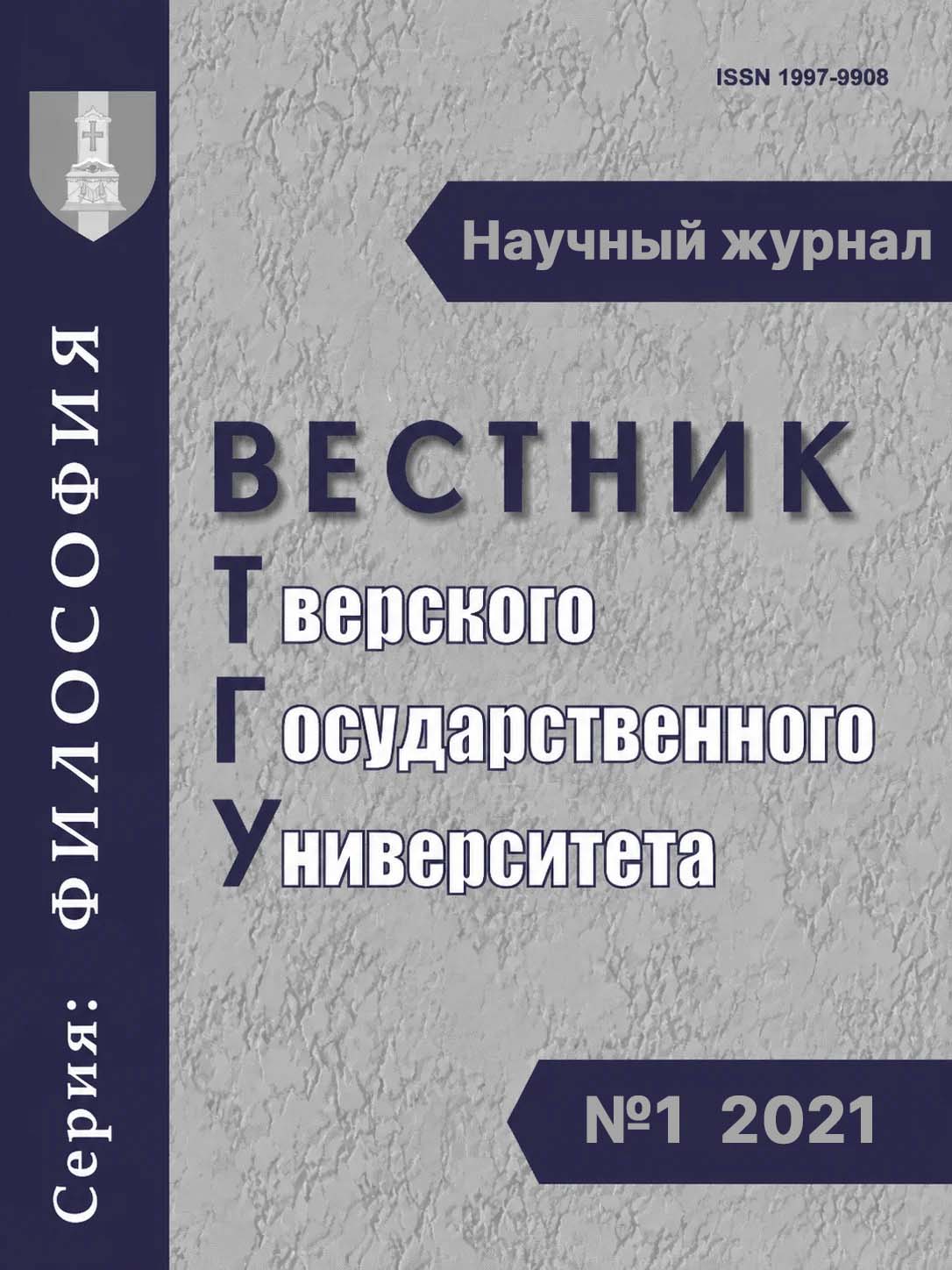
Вестник Тверского государственного университета. Серия: Философия
Том 55 № 1 (2021)В номере № 1 (55) 2021 г. публикуются статьи исследователей, посвященные философско-символическому соотношению философии и литературы, проблемам самолегитимации общества, дистрибуции социальных идей, а также различным аспектам цифровизации, идентичности и историко-философского опыта.
В разделе «Человек. Наука. Культура» рассматриваются философия и литература как два типа универсального самосознания человечества, проблема самолегитимации общества в контексте процессов модернизации и постмодернизации, дистрибуция социальных идей как самостоятельный объяснительный фактор общественных преобразований, феномен научного капитала в контексте формирования самооценки, а также эпистемологический статус социобиологии между объективным исследованием и поп-наукой. Авторы анализируют особенности современного образования в условиях пандемии и цифровизации, социально-коммуникативный аспект дискурса блогера, алгоритмическое программирование socialisation личности в цифровом пространстве, существование человека в динамике рисков военного насилия, а также философские идеи стоицизма как теоретическую основу когнитивно-поведенческой терапии и соотношение внутренних и внешних факторов в системе конфессиональной динамики (статьи В.В. Ильина, А.Г. Хайруллина, Б.А. Хайруллина, Е.К. Шауры, С.В. Козлова, Н.Н. Равочкина, Ю.В. Буртовой, Н.В. Зайцевой, А.С. Некрасова, Н.А. Некрасовой, С.И. Некрасова, И.А. Жаворонковой, А.А. Левицкой, Д.А. Клинковой, С.В. Даведенко, А.В. Рукина, В.Ю. Лебедева).
Раздел «Проблемы научной философии» посвящен модернизации Античности в русском ницшеанстве сквозь призму образа Аполлона на аэроплане, эволюции религиозно-философской парадигмы в советской философии в 20–40-е годы XX века, а также взглядам Л.П. Карсавина о «живых» источниках исторической памяти (статьи О.А. Матвейчева, О.А. Устинова, Е.Е. Михайловой).
В рубрике «История философии и современный мир» исследуются жизнь как философская проблема в наследии Г.В.Ф. Лейбница, категория блага в классическом западно-европейском дискурсе, влияние кантианской критики способности суждения на развитие представления об историческом опыте в баденской школе неокантианства, «Рождение трагедии» Ф. Ницше в контексте медицинского дискурса, исторический опыт и культурные миры О. Шпенглера, категории монизма и плюрализма в интеллектуальной истории И. Берлина, а также исторический опыт и метафизика конечности в философии М. Хайдеггера (статьи И.А. Фроловой, С.В. Даведенко, Е.В. Бакшутовой, А.А. Аванесяна, В.В. Буланова, К.В. Ануфриевой, В.П. Потамской, Б.Л. Губмана).